
In a world where digital landscapes are as immersive as the real one, video games have transcended mere entertainment to become a powerful cultural phenomenon. From the pixelated screens of the 1970s to the breathtaking virtual realities of today, video games have not only shaped our leisure time but have also influenced art, storytelling, and social interaction on a global scale. They have become a universal language, bridging gaps between generations and cultures, and fostering communities that thrive on shared experiences. This article aims to take you on a captivating journey through the evolution of video games, highlighting the significant technological advancements that have transformed the industry. We will explore how gaming has progressed from simple, two-dimensional graphics to complex, immersive worlds that challenge our perceptions of reality. Understanding the history of gaming is crucial for both gamers and developers alike. For gamers, it provides context and appreciation for the games they play today, revealing the innovations and creativity that have paved the way for modern experiences. For developers, knowledge of gaming history can inspire new ideas and approaches, allowing them to build upon the foundations laid by their predecessors. As we delve into this fascinating evolution, we invite you to reflect on your own gaming journey and consider how far we’ve come—and where we might be headed next.
The Early Days of Gaming (1970s-1980s)
The Birth of Video Games
The journey of video games began in the early 1970s, a time when technology was just starting to explore the realm of interactive entertainment. One of the first arcade games to capture the public’s imagination was Pong, released by Atari in 1972. This simple yet addictive table tennis simulation allowed players to control paddles and compete against each other, laying the groundwork for future competitive gaming. Pong’s success marked the beginning of the arcade era, leading to a surge of interest in video games as a form of entertainment.
Following Pong, Space Invaders made its debut in 1978, revolutionizing the gaming landscape with its engaging gameplay and iconic graphics. Players were tasked with defending Earth from waves of descending aliens, and the game’s popularity led to long lines at arcades across the globe. This era not only showcased the potential of video games but also established them as a cultural phenomenon.
As arcade games gained traction, home consoles began to emerge, bringing gaming into living rooms. The Atari 2600, released in 1977, was one of the first successful home consoles, allowing players to enjoy a variety of games without needing to visit an arcade. With interchangeable cartridges, the Atari 2600 offered a new level of convenience and choice, paving the way for the home gaming revolution.
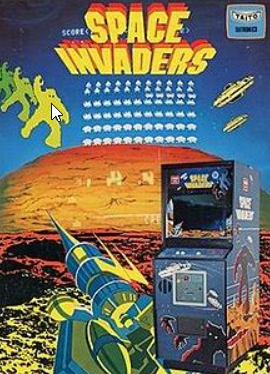 Space Invaders 1978
 Pong 1972
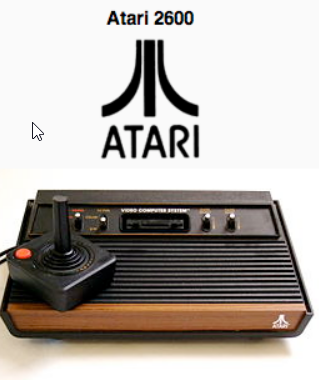 Atari 2600 1977
Key Innovations
The late 1970s and early 1980s saw significant technological advancements that would shape the future of gaming. One of the most notable innovations was the introduction of
This new graphical standard allowed for more detailed and colorful visuals compared to earlier games, enhancing the overall gaming experience. Titles like Super Mario Bros. and The Legend of Zelda would later capitalize on this technology, creating vibrant worlds that players could explore.
In addition to improved graphics, the impact of sound and music in gaming cannot be overstated. Early video games featured simple beeps and boops, but as technology progressed, developers began to incorporate more complex soundtracks and sound effects. The iconic theme music of games like Pac-Man and Donkey Kong not only added to the immersive experience but also became ingrained in popular culture. This emphasis on audio helped create a more engaging atmosphere, drawing players deeper into the gaming world.
Together, these innovations laid the foundation for the video game industry as we know it today, setting the stage for future developments that would continue to push the boundaries of technology and creativity.
The 16-bit Era and the Rise of Genres (1990s)
The Console Wars
The rivalry between Sega and Nintendo epitomized the 16-bit era. Nintendo’s Super Nintendo Entertainment System (SNES) and Sega’s Genesis (known as Mega Drive outside North America) were at the forefront of this competition. Each company sought to outdo the other with innovative technology, marketing strategies, and exclusive game titles. The introduction of 16-bit graphics was a game-changer, offering enhanced visuals compared to the previous 8-bit systems. This leap allowed for more detailed sprites, a broader color palette, and smoother animations, which significantly improved the overall gaming experience. Titles like Sonic the Hedgehog showcased the Genesis’s capabilities with vibrant graphics and fast-paced gameplay, while Super Mario World exemplified the SNES’s charm with its colorful worlds and intricate level designs. The marketing campaigns during this period, such as Sega’s “Genesis does what Nintendon’t,” fueled the rivalry and drew in gamers eager to experience the latest advancements in gaming technology.
Emergence of Game Genres
The 16-bit era also saw the rise of several key game genres, each contributing to the evolution of gaming culture.
- Platformers: This genre flourished with iconic titles like Super Mario World and Sonic the Hedgehog. These games emphasized precise controls and level design, encouraging players to navigate through intricate worlds filled with obstacles and enemies.
- Role-Playing Games (RPGs): The 16-bit era witnessed the emergence of RPGs as a popular genre, with titles like Final Fantasy VI (originally released as Final Fantasy III in North America) and Chrono Trigger setting new standards for storytelling and character development in games. These RPGs introduced complex narratives, turn-based combat systems, and expansive worlds for players to explore.
- Fighting Games: The competitive nature of fighting games gained traction during this time, with Street Fighter II leading the charge. This game not only popularized the fighting genre but also introduced mechanics such as special moves and combo systems that would influence countless titles in the years to come.
The 16-bit era was instrumental in shaping the gaming landscape, providing a foundation for future innovations and genre expansions. The combination of technological advancements and creative game design during this period laid the groundwork for the diverse and rich gaming experiences that players enjoy today.
The 3D Revolution and Online Gaming (Late 1990s-2000s)
The late 1990s and early 2000s heralded a transformative period in video gaming, marked by the transition to 3D graphics and the rise of online gaming. This era not only introduced new gameplay mechanics but also fundamentally changed how players interacted with games and each other.
Transition to 3D Graphics
The introduction of 3D graphics was spearheaded by two major consoles: Sony’s PlayStation and Nintendo’s 64-bit Nintendo 64 (N64). The PlayStation, released in 1994, utilized CD-ROM technology, allowing for larger game sizes and more complex environments compared to cartridge-based systems. This shift enabled developers to create expansive worlds filled with detailed textures and intricate storylines. Iconic titles such as Final Fantasy VII and Metal Gear Solid showcased the power of the PlayStation, blending cinematic storytelling with engaging gameplay. Conversely, the Nintendo 64, launched in 1996, was notable for its advanced 3D capabilities, thanks to its partnership with Silicon Graphics. It introduced groundbreaking titles like Super Mario 64, which redefined platforming with its open-world design and free-roaming camera mechanics. The N64’s ability to render 3D environments allowed players to explore vast landscapes, marking a significant departure from the linear levels of 2D games. However, the N64’s reliance on cartridges limited storage capacity, which posed challenges for developers in terms of texture quality and game complexity compared to the PlayStation’s CD format. Both consoles contributed to the evolution of 3D gameplay, with developers learning to navigate the complexities of 3D environments and camera controls, a process that would take time to refine. While early 3D titles often struggled with graphical issues and gameplay mechanics, the foundation laid during this period set the stage for future advancements in gaming technology.
The Birth of Online Gaming
As gaming technology advanced, so did the potential for online connectivity, leading to the birth of online gaming. The late 1990s saw the emergence of early online multiplayer games, which transformed how players interacted with each other.
EverQuest, released in 1999, was one of the first massively multiplayer online role-playing games (MMORPGs) that allowed thousands of players to coexist in a shared virtual world. Its success demonstrated the viability of online gaming and paved the way for future MMORPGs. Players could form guilds, embark on quests together, and immerse themselves in a persistent online universe, fostering a sense of community that was previously unattainable.
Similarly, Counter-Strike, which began as a mod for Half-Life, became a cornerstone of competitive online gaming. Released in 1999, it popularized team-based gameplay and laid the groundwork for the esports scene. The game’s focus on strategy, teamwork, and skill attracted a dedicated player base, leading to organized tournaments and a thriving competitive community.
The role of the internet in shaping gaming communities cannot be overstated. Online forums, chat rooms, and social media platforms emerged as spaces for players to connect, share experiences, and discuss strategies. This connectivity not only enhanced the gaming experience but also fostered friendships and rivalries that transcended geographical boundaries. The 3D revolution and the advent of online gaming fundamentally transformed the gaming landscape, setting the stage for the diverse and interconnected gaming culture we see today.
The Modern Era: Mobile Gaming and Esports (2010s-Present)
The last decade has seen a remarkable transformation in the gaming industry, driven primarily by the rise of mobile gaming and the explosive growth of esports. These developments have not only reshaped how games are played but have also broadened the audience and cultural significance of gaming.
The Rise of Mobile Gaming
The mobile gaming boom began in earnest with the launch of smartphones and the proliferation of app stores, fundamentally changing the gaming landscape. One of the most significant milestones was the release of Angry Birds in 2009, which became a cultural phenomenon and the first mobile game to reach one billion downloads by 2012. Its success illustrated the potential of mobile games to reach a broad audience through engaging, accessible gameplay that utilized touch controls effectively.
Following Angry Birds, the mobile gaming market expanded rapidly, with games like Candy Crush Saga and Fortnite capturing the attention of millions. Fortnite, in particular, revolutionized mobile gaming by bringing the battle royale genre to smartphones, allowing players to compete in large-scale multiplayer matches from anywhere. The accessibility of mobile games, often available for free or at a low cost, has made gaming more inclusive, attracting players of all ages and backgrounds. As of recent reports, mobile games now account for over 51% of global gaming revenue, highlighting their dominance in the industry.
The impact of mobile gaming extends beyond just revenue; it has also influenced game design and development. Many developers have shifted their focus to creating mobile-centric experiences, leading to innovative gameplay mechanics and social features that leverage the unique capabilities of smartphones. This shift has allowed for the emergence of new genres and gameplay styles, making mobile gaming a vital part of the overall gaming ecosystem.
The Growth of Esports
Esports, or competitive gaming, has surged in popularity since the 2010s, evolving from niche tournaments to a mainstream phenomenon. This growth can be attributed to several factors, including increased accessibility to high-speed internet, the rise of streaming platforms like Twitch, and the professionalization of competitive gaming.
Esports encompasses a wide range of games, with titles such as League of Legends, Dota 2, and Counter-Strike: Global Offensive leading the charge. Major tournaments, such as The International for Dota 2 and the League of Legends World Championship, attract millions of viewers and offer multi-million dollar prize pools, elevating esports to a level comparable to traditional sports. These events not only showcase top-tier talent but also foster vibrant communities and fan engagement.
The influence of esports on gaming culture is profound. It has transformed how games are perceived, shifting the narrative from casual entertainment to a legitimate competitive discipline. This change has led to the establishment of professional teams, sponsorships, and even collegiate esports programs, further legitimizing the industry. Additionally, the rise of esports has inspired a new generation of gamers who aspire to compete at the highest levels, contributing to the ongoing evolution of gaming as a competitive sport.
In summary, the modern era of gaming is defined by the rise of mobile gaming and the growth of esports, both of which have reshaped the industry and expanded its cultural impact. As technology continues to evolve, these trends are likely to further influence the future of gaming, making it an exciting time for both players and developers alike.
The Future of Gaming: Virtual Reality and Beyond
As gaming technology continues to evolve, the future holds exciting possibilities for even more immersive and transformative experiences. Virtual reality (VR) and other emerging technologies are poised to redefine the boundaries of what’s possible in gaming.
The Promise of Virtual Reality
Virtual reality has come a long way since its early days, with advancements in hardware and software making VR gaming more accessible and engaging than ever before. Current VR technology, such as the Oculus Rift, HTC Vive, and PlayStation VR, offers high-resolution displays, improved tracking, and intuitive motion controllers, allowing players to fully immerse themselves in virtual worlds. Popular VR games like Beat Saber, Half-Life: Alyx, and Star Wars: Squadrons showcase the potential of VR gaming. Beat Saber combines rhythm gaming with lightsaber combat, creating a physically engaging experience that gets players moving. Half-Life: Alyx, a critically acclaimed VR exclusive, delivers a cinematic narrative and intricate environments that redefine the first-person shooter genre. Star Wars: Squadrons immerses players in the iconic Star Wars universe, allowing them to pilot starfighters and engage in thrilling space battles from a cockpit view. The future of VR gaming holds even greater promise, with the potential for even more realistic graphics, advanced haptic feedback, and seamless integration with other technologies like augmented reality and artificial intelligence. As VR hardware becomes more affordable and user-friendly, the gaming industry is poised to see a surge in VR game development, catering to a wide range of genres and audiences.
Emerging Technologies
While virtual reality is a significant part of gaming’s future, other emerging technologies are also set to transform the industry in profound ways.
- Augmented Reality (AR): The blending of virtual elements with the real world, as seen in games like Pokémon Go, has the potential to create entirely new gaming experiences that bridge the gap between the digital and physical realms. As AR technology advances, it will enable more sophisticated interactions, such as real-time multiplayer battles and persistent virtual objects that can be shared across devices.
- Artificial Intelligence (AI): The incorporation of advanced AI algorithms in games is already enhancing the player experience by creating more intelligent and adaptive non-player characters (NPCs). As AI continues to evolve, it will enable even more dynamic and personalized gameplay, with NPCs that can learn from player behavior and adapt accordingly. AI will also streamline game development processes, allowing for faster creation of content and more efficient testing.
- Cloud Gaming: The rise of cloud gaming services like Google Stadia and NVIDIA GeForce Now has demonstrated the potential for high-quality gaming experiences without the need for powerful local hardware. As cloud infrastructure and internet speeds continue to improve, cloud gaming will become more accessible and offer a wider range of games. This technology will enable cross-platform play, allowing gamers to seamlessly transition between devices while maintaining their progress and social connections. Looking ahead, the convergence of these technologies will lead to even more immersive and transformative gaming experiences. Imagine a future where VR headsets seamlessly integrate with AR overlays, allowing players to interact with virtual objects in the real world. Or envision a cloud-based gaming platform that leverages AI to create personalized challenges and narratives tailored to each player’s preferences and skill level. As gaming technology continues to advance, the line between reality and virtual reality will continue to blur, offering players unprecedented levels of immersion and interactivity. While the exact shape of gaming’s future remains to be seen, one thing is certain: the gaming industry will continue to push the boundaries of what’s possible, delivering experiences that captivate and inspire players for generations to come.
Conclusion
The evolution of video games, from the humble beginnings of Pong and Space Invaders to the immersive virtual reality experiences of today, has been a remarkable journey. Over the past five decades, gaming has transformed from a niche pastime to a global phenomenon that has left an indelible mark on popular culture and society. Each era of gaming has brought with it significant advancements in technology, gameplay mechanics, and storytelling. The 16-bit era introduced us to iconic characters and genres that continue to captivate players today. The transition to 3D graphics and online gaming in the late 1990s and early 2000s revolutionized the way we interact with games and each other. The modern era has seen the rise of mobile gaming and esports, making gaming more accessible and competitive than ever before. As we look to the future, the potential for gaming to continue evolving and shaping our world is limitless. Virtual reality, augmented reality, artificial intelligence, and cloud gaming are just a few of the technologies poised to redefine the gaming experience. The convergence of these innovations will lead to even more immersive and transformative gaming experiences, blurring the lines between reality and fantasy. But gaming’s impact extends far beyond the realm of entertainment. Games have the power to educate, inspire, and bring people together from all walks of life. They have been used to tackle social issues, promote mental well-being, and even save lives. As gaming continues to grow and evolve, it will undoubtedly continue to shape our culture and society in profound ways. So, as you reflect on your own gaming journey, take a moment to appreciate the incredible progress that has been made. Share your favorite gaming memories with friends and family, and engage in discussions about the future of gaming. Who knows, perhaps your own predictions and ideas will help shape the next chapter of this ever-evolving medium. Remember, gaming is not just a pastime; it is a powerful tool for expression, connection, and growth. Embrace the magic of gaming, and let it inspire you to create, explore, and push the boundaries of what’s possible. The future of gaming is ours to write, one pixel at a time.
Additional Resources
For a closer look at how an older design tradition changes across modern games, read my roguelike versus roguelite guide. It compares run resets, persistent progression and the different kinds of decisions behind a shared genre label.
To further explore the fascinating history of video games and their evolution, here are some recommended readings and documentaries, as well as game suggestions that exemplify each era discussed in this article.
Suggested Documentaries for further Infos
 High Score
 Console wars
 Atari Game Over
 Indie Game: The Movie
Suggested Books for further reading

By: Tristan Donovan

By: Blake J. Harris

By: Chris Kohler
Game Recommendations by Era
The Early Days of Gaming (1970s-1980s)
- Pong (1972) - The iconic arcade game that started it all.
- Space Invaders (1978) - A classic shooter that popularized the arcade scene.
- Atari 2600 Games - A variety of titles that defined home console gaming.
The 16-bit Era (1990s)
- Super Mario World (1990) - A landmark platformer that set new standards for level design.
- Sonic the Hedgehog (1991) - Sega’s flagship title that introduced fast-paced platforming.
- Street Fighter II (1991) - A fighting game that revolutionized competitive gaming.
The 3D Revolution and Online Gaming (Late 1990s-2000s)
- Final Fantasy VII (1997) - A groundbreaking RPG that introduced cinematic storytelling.
- The Legend of Zelda: Ocarina of Time (1998) - A defining title in 3D action-adventure gaming.
- Counter-Strike (1999) - A pivotal online multiplayer shooter that laid the groundwork for esports.
The Modern Era: Mobile Gaming and Esports (2010s-Present)
- Angry Birds (2009) - A mobile game that became a cultural phenomenon.
- Fortnite (2017) - A battle royale game that popularized cross-platform play and in-game events.
- League of Legends (2009) - A cornerstone of the esports scene, known for its competitive play and community engagement.
These resources and game recommendations will provide deeper insights into the evolution of video games and enhance your understanding of this dynamic industry. Happy exploring!