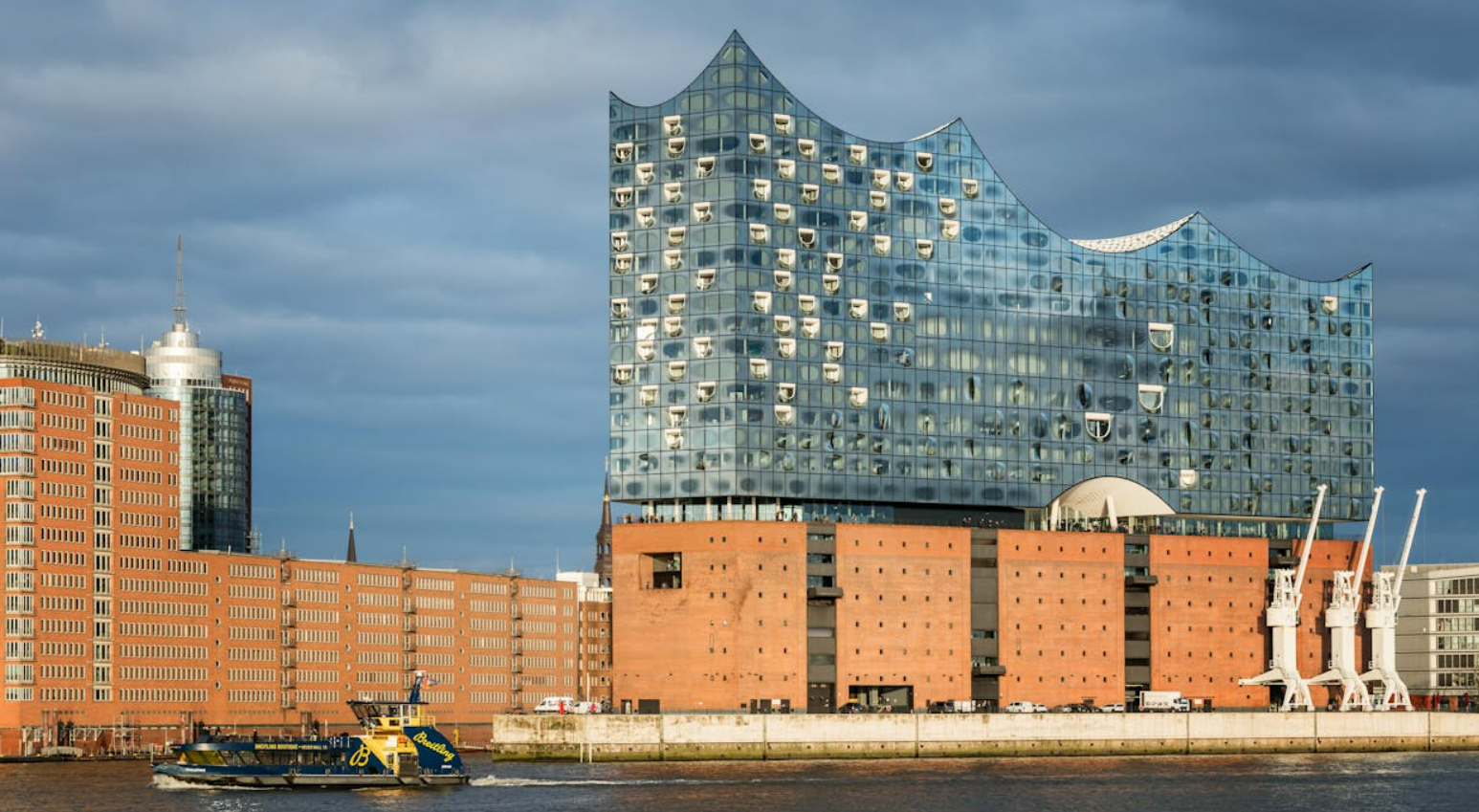
Nestled along the banks of the Elbe River, Hamburg is a captivating city that seamlessly blends rich history with modern vibrancy. As Germany’s second-largest city and one of Europe’s major ports, Hamburg boasts a unique maritime charm that sets it apart from other destinations. From its iconic skyline dominated by the stunning Elbphilharmonie to the historic canals of Speicherstadt, the city offers a plethora of experiences that cater to every type of traveler. Whether you’re a culture enthusiast eager to explore world-class museums, a foodie looking to indulge in local delicacies, or a nightlife seeker ready to dance the night away, Hamburg has something for everyone. In this blog post, we’ll take you on a journey through eight things to do in Hamburg, showcasing attractions to explore over a weekend.
Explore the Harbour on a Boat Tour
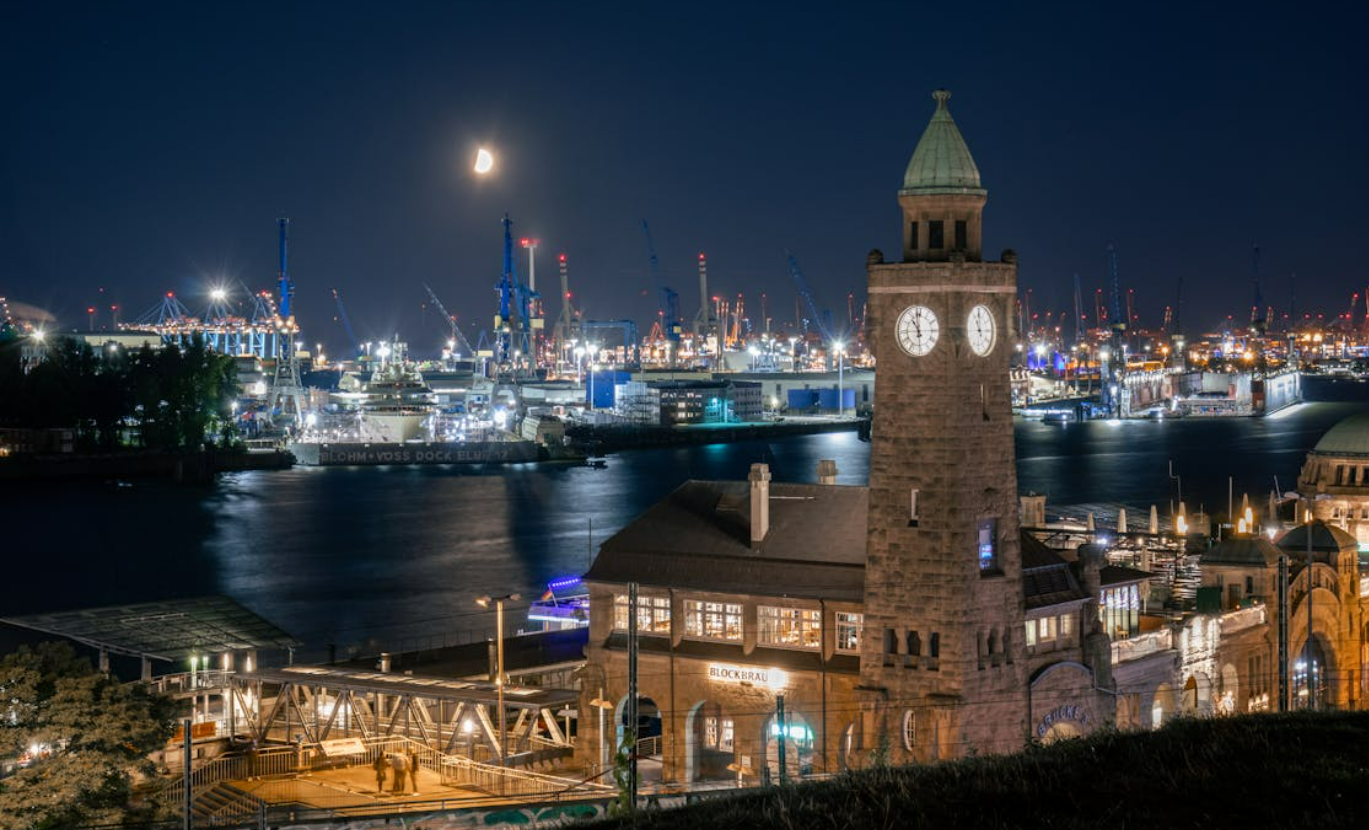
One of the best ways to experience the vibrant city of Hamburg is from the water, and a boat tour offers a unique perspective of its stunning waterfront. There are various types of boat tours available, catering to different interests and time constraints.
Types of Boat Tours
- Harbor Tours: These typically last between one to two hours and provide a comprehensive overview of the harbor’s key sights. You can expect to see iconic landmarks such as the Elbphilharmonie, the historic Speicherstadt, and the bustling container terminals. Captains often share entertaining anecdotes and informative commentary, enriching your experience as you glide past these impressive structures.
- Alster Boat Trips: For a more tranquil experience, consider an Alster boat trip. These tours navigate the picturesque canals and lakes in the heart of the city, offering views of lush greenery and elegant homes along the waterfront. It’s a perfect way to relax while soaking in the beauty of Hamburg’s landscapes.
- Speedboat Tours: For those seeking a thrill, speedboat tours provide an exhilarating ride through the harbor. These tours are faster-paced and allow you to feel the excitement of the water while still enjoying the sights.
Key Sights from the Water
From your boat, you’ll have the opportunity to admire several must-see attractions:
- Elbphilharmonie: This architectural marvel stands out with its stunning glass structure, making it a highlight of any harbor tour. Viewing it from the water gives you a unique angle to appreciate its design and scale.
- Speicherstadt: As the largest historic warehouse complex in the world and a UNESCO World Heritage Site, Speicherstadt is a sight to behold. The red-brick buildings and canals create a picturesque backdrop that is best appreciated from the water.
- Container Terminals: Witness the impressive scale of Hamburg’s port operations as you pass by massive container ships and bustling docks, showcasing the city’s role as one of the largest ports in the world.
Budget-Friendly Options
For those looking to experience the harbor without breaking the bank, Hamburg’s public transport ferries present an excellent alternative. These ferries are part of the city’s public transportation system, meaning you can use your public transports ticket to hop on board. The most popular routes, such as Line 62, offer scenic views of the waterfront at a fraction of the cost of a traditional tour. This option allows you to explore various sights while enjoying a leisurely ride along the Elbe River.
Exploring Hamburg from the water is an unforgettable experience that combines stunning views with rich maritime history. Whether you choose a guided tour or a public ferry, the harbor is sure to leave a lasting impression.
Discover the Elbphilharmonie
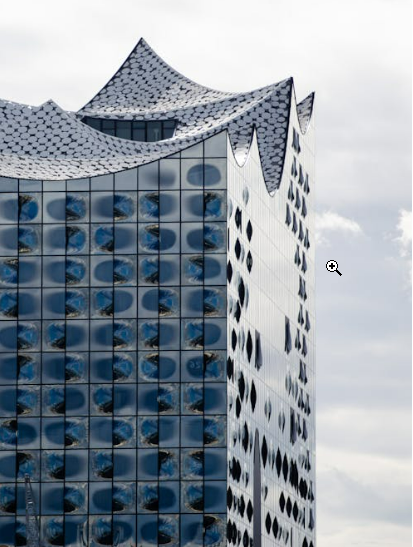
The Elbphilharmonie is not just a concert hall; it is an architectural masterpiece that has become a symbol of Hamburg’s cultural renaissance. Designed by the renowned Swiss architects Herzog & de Meuron, the building is a striking fusion of old and new, sitting atop the historic Kaispeicher A, a brick warehouse that dates back to 1963. This innovative design features a shimmering glass structure that appears to float above the solid base, reminiscent of waves or sails, and has transformed Hamburg’s skyline since its opening in January 2017.
Architectural Significance
The Elbphilharmonie’s design is a testament to modern architecture, combining functionality with aesthetic appeal. Its undulating glass roof, which rises to a height of 110 meters, is not only visually stunning but also serves a practical purpose. The building incorporates advanced acoustic technology, ensuring that every note resonates perfectly within the concert hall. The main auditorium, with its vineyard-style seating arrangement, allows for an intimate concert experience, as no audience member is seated more than 30 meters from the stage. This innovative approach to acoustics was developed in collaboration with the acclaimed acoustician Yasuhisa Toyota, making the Elbphilharmonie a premier venue for music lovers. The exterior is equally impressive, with approximately 6,000 shimmering glass panels that reflect light and change color depending on the weather and time of day. This dynamic facade not only enhances the building’s visual appeal but also connects it with the surrounding harbor environment, making it a landmark that draws both locals and tourists alike.
Cultural Importance
Beyond its architectural brilliance, the Elbphilharmonie plays a vital role in Hamburg’s cultural landscape. It serves as the home of the NDR Elbphilharmonie Orchestra and hosts a diverse range of performances, from classical concerts to contemporary music events. The venue is designed to be accessible to everyone, with a public plaza that encourages community engagement and interaction with the arts. Stunning Views from the Elbphilharmonie Plaza One of the highlights of visiting the Elbphilharmonie is the breathtaking views from the Elbphilharmonie Plaza. Visitors can ascend the 82-meter curved escalator that winds through the old warehouse, leading them to the viewing platform. From here, they can enjoy panoramic 360° views of the Elbe River, the bustling harbor, and the cityscape of Hamburg. This elevated perspective provides a unique opportunity to appreciate the beauty of the city and its maritime heritage.
The Elbphilharmonie is more than just a venue for music; it is a cultural hub that embodies the spirit of Hamburg. Its architectural innovation and commitment to fostering a love for the arts make it a must-visit destination for anyone exploring the city.
Miniatur Wunderland
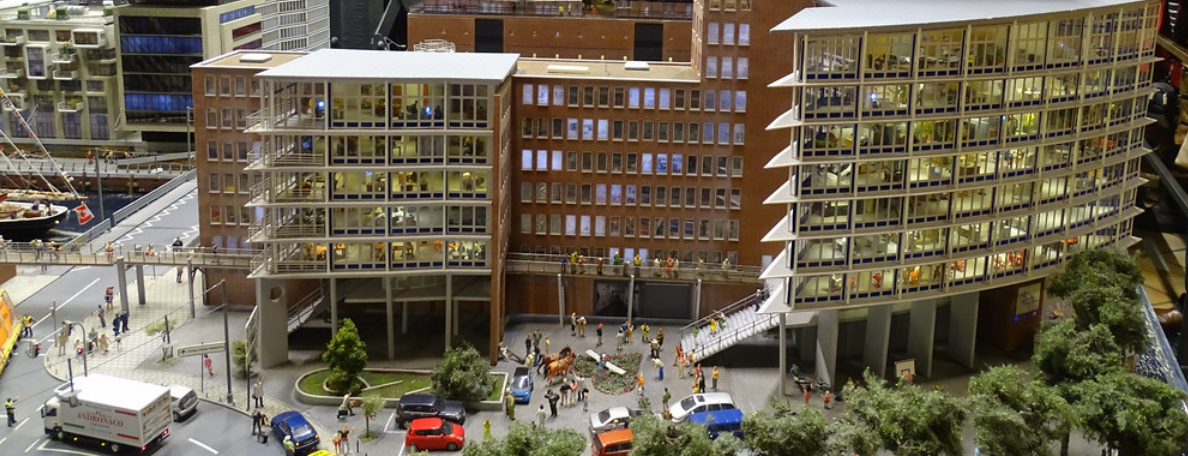
Miniatur Wunderland is a captivating attraction that holds the title of the world’s largest model railway. Located in Hamburg’s historic Speicherstadt district, this impressive display showcases intricate miniature versions of cities, landscapes, and festivals from around the globe. Spanning over 1,700 square meters, the exhibit features more than 1,200 trains, 12,000 wagons, and a staggering 260,000 figures, making it a mesmerizing experience for visitors of all ages.
Intricate Details and Expansive Layout
The miniature world is meticulously crafted, with each section representing different regions, including Scandinavia, the USA, and even a detailed model of Hamburg itself. The attention to detail is astounding, with realistic landscapes, bustling cities, and dynamic scenes that bring the miniature world to life. Visitors can witness everything from trains gliding along tracks to planes taking off at the tiny Knuffingen Airport, where the operation is entirely computer-controlled.
A Journey Through Time and Space
What sets Miniatur Wunderland apart is not just its size but also its ability to simulate day and night every 15 minutes. This feature enhances the experience, as streetlights illuminate and buildings come to life, creating a magical atmosphere. The attraction continually expands, with new sections and updates being added, ensuring that there is always something new to discover.
Family-Friendly Fun
Miniatur Wunderland is designed to be enjoyable for all ages, making it an ideal destination for families. Children and adults alike can marvel at the intricate details and interactive elements, such as flicking switches to control various scenes. The combination of technology, artistry, and storytelling creates an engaging experience that captivates visitors.
Whether you’re a train enthusiast, a lover of art, or simply looking for a unique way to spend your day in Hamburg, Miniatur Wunderland promises an unforgettable adventure. This enchanting miniature world invites you to explore, discover, and enjoy the wonders of creativity and engineering in a fun and family-friendly setting.
Speicherstadt
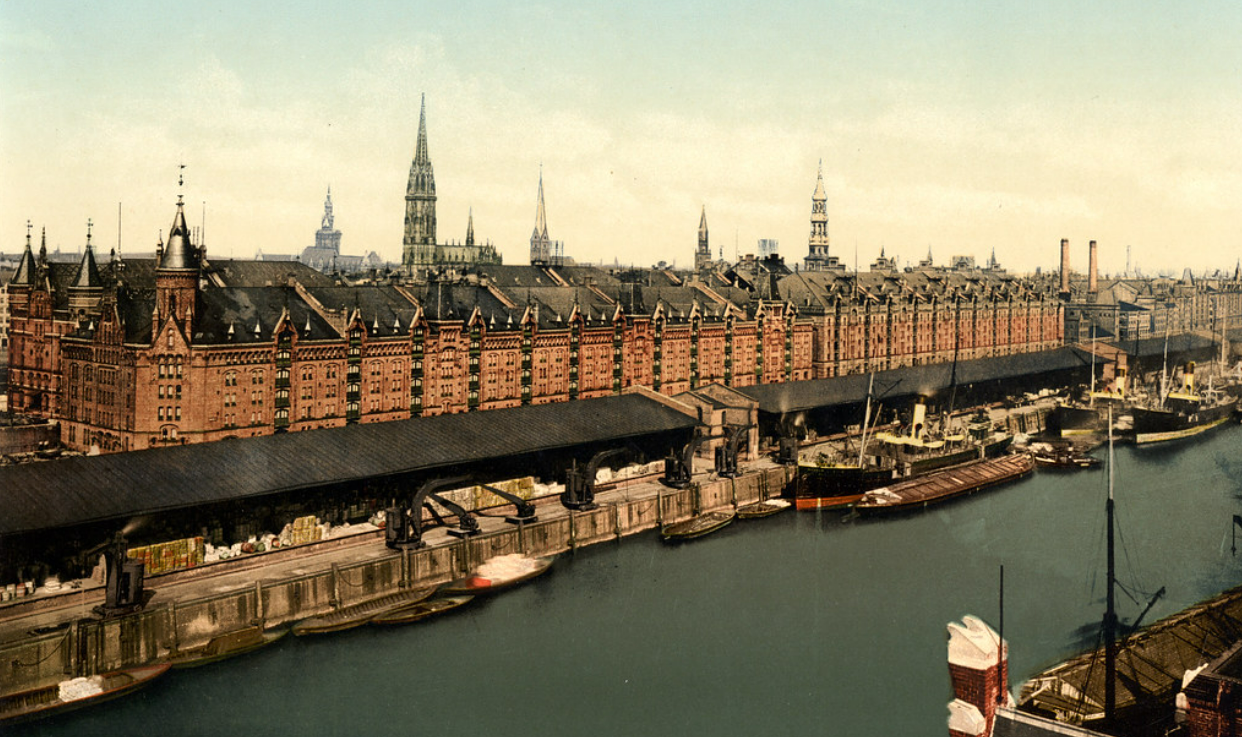
Speicherstadt, a UNESCO World Heritage Site, is the largest warehouse district in the world and a must-visit attraction in Hamburg. This historic area, built between 1883 and the late 1920s, features stunning neo-Gothic brick architecture and is interlaced with picturesque canals, creating a unique atmosphere that transports visitors back in time. The warehouses, constructed on oak piles, were originally designed to facilitate the storage and transfer of goods without customs duties, making it a vital part of Hamburg’s port operations.
Architectural and Historical Significance
The architectural beauty of Speicherstadt lies in its intricate design, characterized by red-brick facades, turrets, and gables that reflect the city’s rich maritime heritage. The district spans approximately 26 hectares and is crisscrossed by a network of canals known as “fleets,” which were essential for transporting goods. The area has been preserved and protected since 1991, and in 2015, it was recognized as a UNESCO World Heritage Site for its outstanding universal value and historical significance.
Museums and Attractions
Speicherstadt is home to several fascinating museums and attractions that draw visitors from around the globe. Among the most popular are:
-
Miniatur Wunderland: The world’s largest model railway, featuring intricate miniature landscapes and cities.
-
Hamburg Dungeon: A thrilling attraction that offers a spooky journey through Hamburg’s dark history.
-
Spicy’s Gewürzmuseum: A museum dedicated to spices from around the world, where visitors can learn about the history and significance of various spices.
-
Deutsches Zollmuseum: This museum explores the history of customs and smuggling in Hamburg, providing insight into the city’s trade legacy.
Visitors can also enjoy scenic boat tours through the canals, allowing for a unique perspective of the stunning architecture and vibrant atmosphere of the district.
A Magical Experience
As night falls, Speicherstadt transforms into a magical wonderland, illuminated by over 800 spotlights. The reflections of the red-brick buildings in the water create a fairytale ambiance that is perfect for evening strolls or photography. The combination of history, culture, and stunning architecture makes Speicherstadt an essential stop for anyone exploring Hamburg, providing a glimpse into the city’s storied past while offering a vibrant present filled with attractions and activities.
St. Michael’s Church (Michaeliskirche)
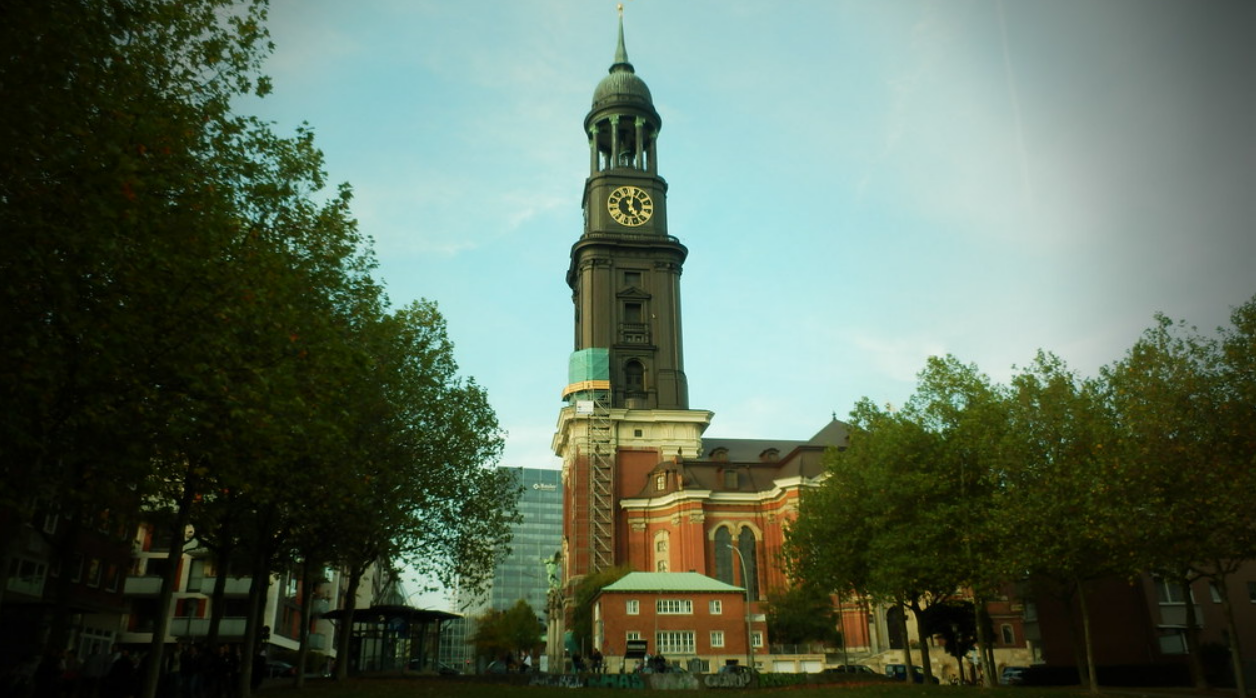
Known affectionately as “Der Michel,” St. Michael’s Church (Hauptkirche Sankt Michaelis) is one of Hamburg’s most recognizable landmarks and a stunning example of Baroque architecture. This iconic church, dedicated to the Archangel Michael, stands proudly in the Neustadt district and is considered one of the finest Protestant churches in the Hanseatic region. Its striking copper-covered spire rises 132 meters, making it a prominent feature of Hamburg’s skyline and a guiding landmark for ships navigating the Elbe River.
Architectural and Historical Significance
The current structure is the third church built on this site, with the first construction dating back to 1647. Over the years, the church has faced numerous challenges, including a devastating lightning strike in 1750 that destroyed the original building, and subsequent fires in 1906 and during World War II. The church as it stands today was completed in 1912, showcasing a beautiful blend of Baroque elements and modern restoration efforts. Inside, the church can accommodate up to 2,500 worshippers and features five impressive organs, including a grand Steinmeyer organ, which is one of the largest in the German-speaking world.
Breathtaking Views from the Tower
Visitors to St. Michael’s Church can ascend to the observation deck located 106 meters above ground. This viewing platform offers breathtaking panoramic views of Hamburg, the bustling harbor, and the surrounding countryside. The ascent can be made via a series of stairs or an elevator, providing an exhilarating experience as you pass by the church’s massive bells. The view from the top is particularly stunning at sunset, when the city is bathed in golden light, making it a perfect spot for photography enthusiasts.
Cultural and Musical Heritage
St. Michael’s Church is not only a place of worship but also a cultural hub that hosts various musical events and concerts throughout the year. The church’s rich musical history includes notable figures such as Johannes Brahms, who was baptized here. Daily organ recitals during the midday prayer allow visitors to experience the church’s exceptional acoustics while enjoying the serene atmosphere.
With its historical significance, architectural beauty, and cultural offerings, St. Michael’s Church is a must-visit destination for anyone exploring Hamburg. Whether you’re drawn by its stunning views, rich history, or the chance to experience live music in a beautiful setting, “Der Michel” promises an unforgettable experience.
Hamburg City Hall (Rathaus)
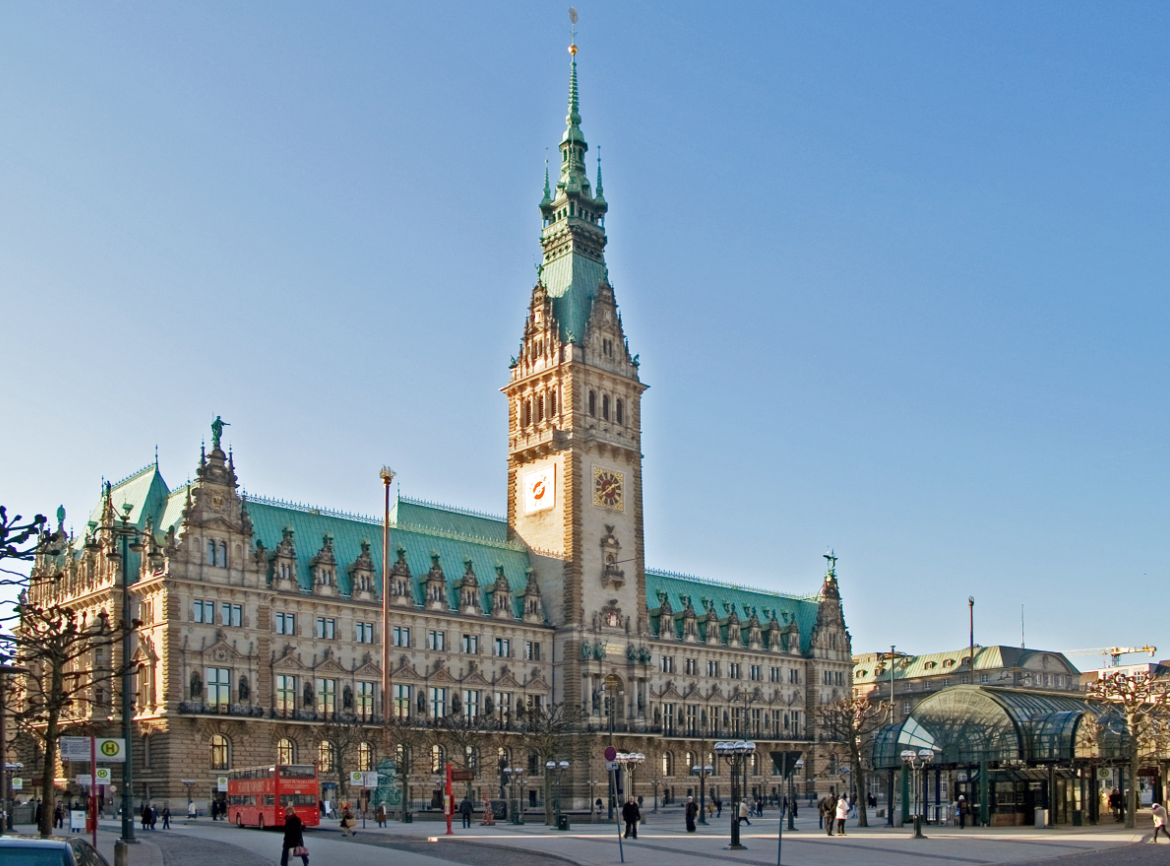
The Hamburg City Hall, or Rathaus, is an iconic landmark known for its impressive Neo-Renaissance architecture. Completed in 1897 after the previous town hall was destroyed in the Great Fire of 1842, the current building stands on over 4,000 oak piles to support its weight. The sandstone façade is elaborately decorated with 20 statues of emperors flanking the 133-meter wide front. The ornate wrought iron gate leads into an entrance hall supported by 16 sandstone pillars painted with portraits of notable Hamburg citizens. The staircase is made of Sardinian marble and depicts the course of human life.
Inside, the Kaisersaal (Imperial Hall) features a striking ceiling painting symbolizing the importance of German merchant shipping. The 46-meter long Grand Ballroom has five huge paintings chronicling Hamburg’s history from 800 to 1900 AD, with 62 coats of arms of the old Hanseatic League decorating the walls.
The foyer and courtyard can usually be visited freely during opening hours; other interiors are explored on a guided tour. Tours in German and English depend on the government’s use of the building and may be cancelled at short notice. Check the official Hamburg City Hall tour schedule before visiting.
Lake Alster
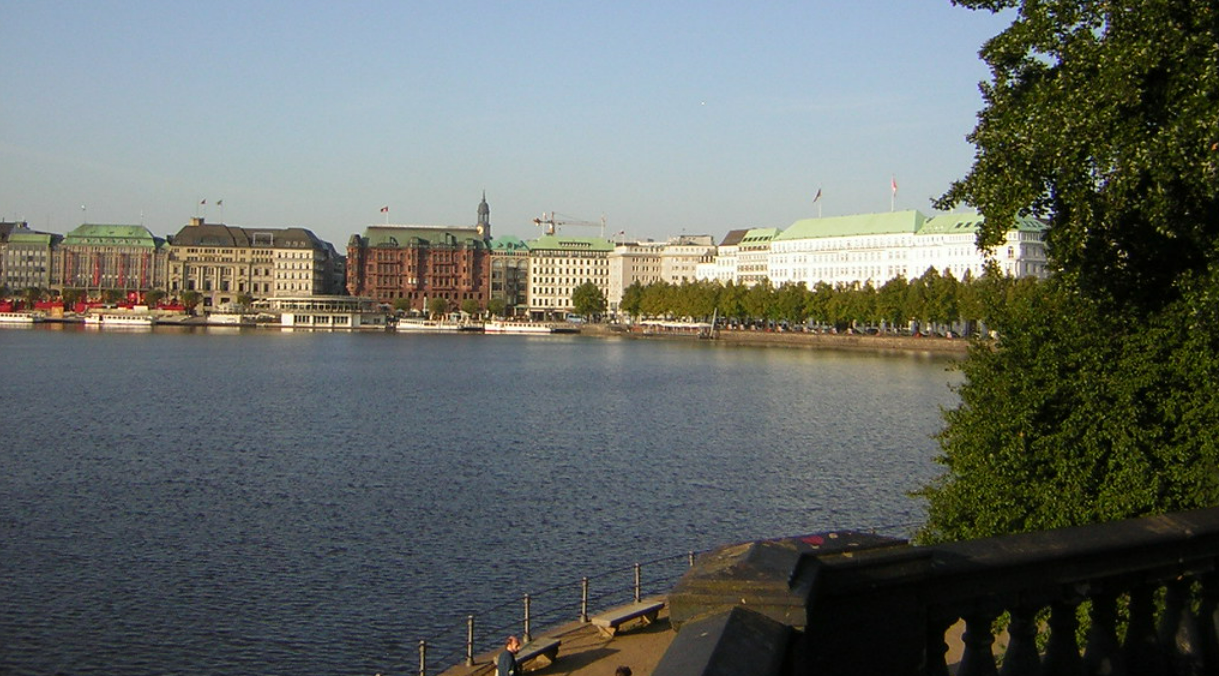
Lake Alster, comprising the Inner Alster (Binnenalster) and Outer Alster (Außenalster), is a picturesque oasis located in the heart of Hamburg. This scenic area is a popular destination for both locals and tourists, offering a variety of activities and stunning views that change with the seasons.
Activities Available
- Rowing and Sailing: The tranquil waters of Lake Alster provide an ideal setting for rowing and sailing. Visitors can rent boats from various rental stations around the lake, allowing them to glide across the water while enjoying the beautiful skyline and lush greenery surrounding the area. Sailing on the Alster is particularly popular, with options for both experienced sailors and beginners looking to take lessons.
- Stand Up Paddling (SUP): For those seeking a unique perspective of Hamburg, stand up paddling offers an engaging way to explore the lake. Rentals are available, and instruction is provided for novices, making it accessible for everyone.
- Walking Paths: The banks of Lake Alster are lined with scenic walking paths that invite leisurely strolls or invigorating jogs. The circuit around the Outer Alster is approximately 7 kilometers long, making it a favorite among runners and walkers alike. Along the way, visitors can enjoy views of elegant mansions and beautiful parks.
Scenic Beauty and Seasonal Events
The natural beauty of Lake Alster is captivating year-round. In the summer, the area buzzes with activity as people enjoy picnics on the grassy banks or take boat tours to admire the stunning scenery. In winter, enjoy the Alster’s scenery from the shoreline. The city does not approve the lake’s ice for public access, and the Binnenalster must never be entered on foot. See Hamburg’s official information about Alster ice for current guidance.
Additionally, seasonal events like Alstervergnügen, a street fair held in September, celebrate local culture with food stalls, live music, and activities for all ages. Whether it’s enjoying a sunny day by the water or embracing winter sports, Lake Alster remains a central hub of recreation and relaxation in Hamburg.
Fischmarkt (Fish Market)
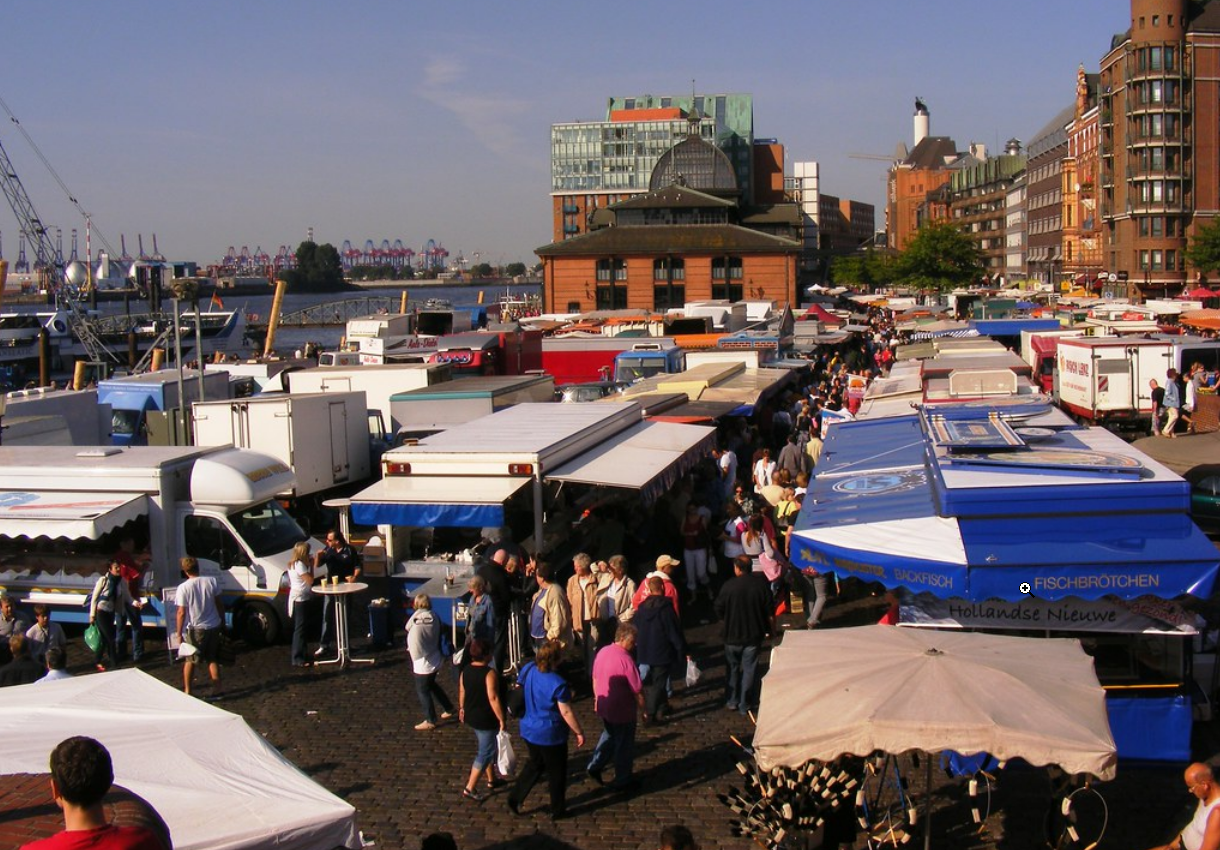
Visiting the Fischmarkt in Hamburg is a unique experience, especially for early risers on a Sunday morning. This legendary market has been a staple of Hamburg culture since 1703, attracting locals and tourists alike to the banks of the Elbe River. Open from 5 AM to 9:30 AM during the summer months (April to October) and from 7 AM to 9:30 AM in winter, the market is alive with energy and excitement as vendors hawk their goods. Check the official Hamburg Fish Market visitor information for opening times before your trip.
A Vibrant Sunday Tradition
The Fischmarkt is renowned for its lively atmosphere, where market criers enthusiastically promote their wares, creating a vibrant backdrop for shoppers. Visitors can find an eclectic mix of products ranging from fresh fish and seafood to fruits, vegetables, flowers, and even household goods. The market’s historic fish auction hall adds to the charm, often featuring live music that enhances the festive ambiance.
Local Delicacies to Try
One of the must-try items at the Fischmarkt is the Fischbrötchen, a traditional German fish sandwich. This delicious street food typically features freshly caught North Sea fish such as mackerel, herring, or shrimp, served in a soft roll. It’s a perfect snack for those looking to soak up the lively atmosphere while enjoying a taste of local cuisine. Whether you’re recovering from a night out or simply starting your day, indulging in a Fischbrötchen at the Fischmarkt is an experience not to be missed. The combination of fresh food, local culture, and energetic vibes makes the Fischmarkt a quintessential part of any visit to Hamburg, ensuring that it remains one of the city’s most beloved attractions.
Hamburg is a city rich in diverse attractions, offering a blend of historical charm and modern vibrancy. From the stunning architecture of the Elbphilharmonie and the grandeur of Hamburg City Hall to the lively atmosphere of the Fischmarkt and the serene beauty of Lake Alster, there is something for every visitor to enjoy. Each location showcases a unique aspect of Hamburg’s culture, history, and lifestyle, making it an ideal destination for a weekend getaway. While this list highlights ten must-visit places, Hamburg has much more to offer beyond these top attractions. Exploring hidden gems like the Speicherstadt’s quaint canals, the artistic vibe of HafenCity, or the lush landscapes of Planten un Blomen Park can provide a fuller experience of what this dynamic city has to offer.
Encouragement to wander off the beaten path will lead you to discover local markets, charming neighborhoods, and unique eateries that capture the essence of Hamburg. Whether you’re indulging in local delicacies or engaging with the city’s vibrant arts scene, Hamburg promises an unforgettable adventure for every traveler.
If Hamburg is the start of a longer journey, my seven-day Germany train itinerary combines two nights here with Berlin and Dresden, including ticket choices, transfer planning and a sample budget.