
Introduction
If you desire becoming rich and financially independent, then investing is a crucial step in building for achieving your financial goals. Whether you’re saving for for something specific such as retirement or a down payment on a house, or you simply want to grow your wealth over time, investing is a powerful tool that can help you reach there. However, the world of investing could be daunting and complex, especially if you are new to it. It is filled with unfamiliar terms and strategies. In this beginner’s guide to investing, we’ll break down the basics and help you understand the fundamentals of investing. We’ll cover key concepts like asset classes, investment vehicles, and portfolio management, and provide you with the knowledge you need to start investing with confidence. By the end of this guide, you’ll have a solid foundation in investing and be well on your way to pursuing your financial dreams. It’s important to note that this guide is not a substitute for professional financial advice. Investing always carries some risk, and it’s crucial to carefully consider your individual financial situation, goals, and risk tolerance before making any investment decisions. However, this guide will provide you with the knowledge and tools you need to make informed choices and take control of your financial future. So, let’s dive in and explore the world of investing together! In the next section, we’ll discuss the purpose of investing and why it’s such a powerful tool for building wealth over time.
Understanding the Purpose of Investing
Investing is not just about putting your money somewhere and hoping it grows; it serves several essential purposes that can significantly impact your financial future. Understanding these purposes can help you develop a clear investment strategy aligned with your goals.
Seeking to Earn Returns That Outpace Inflation
One of the primary reasons for investing is to earn returns that outpace inflation. Inflation erodes the purchasing power of your money over time, meaning that what you can buy today with a certain amount of money will cost more in the future. For example, if inflation averages 3% per year, a $100 item today will cost approximately $103 next year. By investing, you aim to achieve returns that exceed the inflation rate, ensuring that your money grows in real terms. This is crucial for maintaining your standard of living and achieving long-term financial stability. For instance, if you invest in stocks, bonds, or real estate, you may earn returns that not only preserve your capital but also increase it, allowing you to stay ahead of inflation.
Compounding Growth Through Reinvested Earnings
Another powerful aspect of investing is the concept of compounding. Compounding occurs when your investment earnings generate additional earnings over time. This means that not only are you earning returns on your initial investment, but you are also earning returns on the returns that your investment generates.
For example, if you invest $1,000 in a fund that earns an average annual return of 7%, after one year, you would have $1,070. If you leave that money invested, the following year, you would earn interest on the full $1,070, not just your initial $1,000. Over time, this compounding effect can lead to significant growth in your investment portfolio, illustrating the importance of starting to invest early and allowing your money to work for you.
Hypothetical growth of $1,000 at a constant 7% annual return, with no additional contributions. Returns are assumed, not guaranteed; fees, taxes and inflation are excluded.
Investing as a Tool for Pursuing Financial Goals
Investing serves as a strategic tool for pursuing various financial goals, whether short-term, medium-term, or long-term. Whether you’re saving for a child’s education, planning for retirement, or aiming to buy a home, investing can help you accumulate the necessary funds to achieve these objectives. By setting clear financial goals, you can tailor your investment strategy to meet your specific needs. For instance, if you’re saving for a down payment on a house in five years, you might choose a more conservative investment approach to minimize risk. Conversely, if you’re investing for retirement, which may be decades away, you can afford to take on more risk for potentially higher returns. In summary, understanding the purpose of investing is vital for making informed decisions. By seeking to earn returns that outpace inflation, harnessing the power of compounding, and using investing as a means to achieve your financial goals, you can build a solid foundation for your financial future. In the next section, we will explore how to determine your investment approach, which is essential for aligning your strategy with your personal circumstances and aspirations.
Determining Your Investment Approach
Before you begin investing, it’s crucial to take the time to determine the right investment approach for your unique situation. This involves setting clear financial goals, assessing your time horizon and risk tolerance, and aligning your investment strategy accordingly.
Setting Clear Financial Goals
The first step in determining your investment approach is to set clear financial goals. Ask yourself what you’re investing for and when you’ll need the money. Are you saving for retirement, a down payment on a house, your child’s education, or something else? Knowing your specific goals will help you choose the right investment vehicles and time frames.
Once you’ve identified your goals, prioritize them and assign a target amount and timeline to each one. For example, you might want to save $50,000 for a down payment on a house in the next five years, and $1 million for retirement in 30 years. Having specific, measurable goals will make it easier to develop an investment strategy that supports your objectives.
Assessing Your Time Horizon and Risk Tolerance
Your time horizon, or the amount of time you have before you need to access your invested funds, is a crucial factor in determining your investment approach. Generally, the longer your time horizon, the more risk you can afford to take on, as you have more time to ride out market fluctuations and potentially benefit from higher-risk, higher-return investments.
In addition to your time horizon, it’s essential to assess your risk tolerance. This refers to how comfortable you are with the potential for investment losses. Some investors are willing to accept more risk in exchange for the potential for higher returns, while others prefer a more conservative approach to minimize risk.
To determine your risk tolerance, consider your age, financial situation, and emotional response to market volatility. If you’re young and have a long time horizon, you may be able to tolerate more risk. If you’re nearing retirement or have a lower income, you may prefer a more conservative approach to protect your assets.
Aligning Your Investment Strategy with Your Situation
Once you’ve set your financial goals and assessed your time horizon and risk tolerance, it’s time to align your investment strategy with your unique situation. This may involve diversifying your portfolio across different asset classes, such as stocks, bonds, and real estate, to manage risk and potentially enhance returns.
If you have a long time horizon and a high-risk tolerance, you might allocate a larger portion of your portfolio to growth-oriented investments like stocks. If you have a shorter time horizon or a lower risk tolerance, you might focus more on fixed-income investments like bonds or cash equivalents.
Remember, your investment strategy should be flexible and adaptable to changes in your life circumstances, financial goals, or market conditions. Regularly review and adjust your portfolio as needed to ensure it continues to align with your objectives and risk tolerance.
In the next section, we’ll explore the various asset classes and investment vehicles available to you as an investor, and how to choose the ones that best fit your investment approach.
Asset Classes and Investment Vehicles
Understanding the different asset classes and investment vehicles available to you is essential for building a well-diversified investment portfolio. Each asset class has its own characteristics, risks, and potential returns. Below, we’ll explore four primary asset classes: cash and cash equivalents, bonds and fixed-income securities, stocks and equity investments, and mutual funds and exchange-traded funds (ETFs).
Cash and Cash Equivalents
Cash and cash equivalents are the most liquid forms of investments, typically including savings accounts, money market accounts, and certificates of deposit (CDs). These assets are considered low-risk, as they are not subject to market fluctuations and are often insured by the government (e.g., FDIC insurance in the U.S.).
Advantages:
- Liquidity: Easy to access your money when needed.
- Safety: Minimal risk of loss, making them suitable for short-term savings or emergency funds.
Disadvantages:
- Low Returns: Generally, cash and cash equivalents offer lower returns than other asset classes, often failing to keep pace with inflation over time.
Bonds and Fixed-Income Securities
Bonds are debt instruments issued by governments, municipalities, or corporations to raise capital. When you purchase a bond, you are essentially lending money to the issuer in exchange for periodic interest payments and the return of the principal amount at maturity. Fixed-income securities, like bonds, are designed to provide a steady income stream.
Advantages:
- Predictable Income: Bonds typically offer fixed interest payments, making them a reliable source of income.
- Lower Risk: Generally considered less volatile than stocks, especially government bonds.
Disadvantages:
- Interest Rate Risk: Bond prices can decline if interest rates rise, potentially leading to losses if sold before maturity.
- Inflation Risk: Fixed interest payments may lose purchasing power over time if inflation rises significantly.
Stocks and Equity Investments
Stocks represent ownership in a company, and when you buy shares, you become a partial owner. Stocks have the potential for higher returns compared to other asset classes, but they also come with increased risk and volatility.
Advantages:
- Higher Potential Returns: Historically, stocks have outperformed other asset classes over the long term.
- Dividends: Some stocks pay dividends, providing a source of income in addition to potential capital appreciation.
Disadvantages:
- Volatility: Stock prices can fluctuate significantly, leading to potential losses, especially in the short term.
- Market Risk: Economic downturns or company-specific issues can adversely affect stock prices.
Mutual Funds and Exchange-Traded Funds (ETFs)
Mutual funds and ETFs are pooled investment vehicles that allow investors to buy a diversified portfolio of assets, including stocks, bonds, or other securities. Mutual funds are actively managed by professional portfolio managers, while ETFs are typically passively managed and trade on stock exchanges like individual stocks.
Advantages:
- Diversification: Both mutual funds and ETFs provide instant diversification, reducing the risk associated with investing in individual securities.
- Accessibility: They offer an easy way for beginners to invest in a variety of asset classes without needing extensive knowledge.
Disadvantages:
- Management Fees: Mutual funds often come with higher fees due to active management, which can eat into returns.
- Market Risk: Like individual stocks, the value of mutual funds and ETFs can fluctuate based on market conditions.
Each asset class and investment vehicle has its own unique characteristics, advantages, and disadvantages. By understanding these differences, you can make informed decisions about how to allocate your investments based on your financial goals, time horizon, and risk tolerance. In the next section, we will discuss how to develop an investment strategy that incorporates these asset classes and aligns with your overall financial objectives.
Developing an Investment Strategy
Creating a sound investment strategy is essential for achieving your financial goals while managing risk effectively. A well-thought-out strategy considers your financial objectives, time horizon, and risk tolerance, and incorporates various investment approaches. In this section, we’ll explore the importance of diversification, passive investing strategies like index funds, and active investing approaches such as growth investing and value investing.
Diversification: The Importance of Combining Different Asset Classes
Diversification is a fundamental principle of investing that involves spreading your investments across various asset classes and sectors to reduce risk. By not putting all your eggs in one basket, you can mitigate the impact of poor performance in any single investment or asset class.
Benefits of Diversification:
- Risk Reduction: Different asset classes often react differently to market conditions. For instance, when stocks are performing poorly, bonds may provide stability, helping to cushion your portfolio against losses.
- Smoother Returns: A diversified portfolio can lead to more consistent returns over time, reducing the volatility that comes with investing in individual securities.
To effectively diversify, consider allocating your investments across various asset classes—such as stocks, bonds, and cash equivalents—as well as different sectors and geographic regions. This approach helps ensure that your portfolio is well-positioned to weather market fluctuations.
Passive Investing Strategies Like Index Funds
Passive investing is an investment strategy that aims to replicate the performance of a specific market index, such as the S&P 500, rather than trying to outperform it. Index funds and exchange-traded funds (ETFs) are common vehicles for passive investing.
Advantages of Passive Investing:
- Lower Costs: Index funds typically have lower management fees compared to actively managed funds, as they require less frequent trading and research.
- Simplicity: Passive investing is straightforward and requires less time and effort than active management, making it ideal for beginners or those who prefer a hands-off approach.
- Consistent Performance: Historically, many actively managed funds have struggled to outperform their benchmark indices over the long term, making passive investing a compelling option.
By investing in index funds or ETFs, you can gain exposure to a broad range of securities, benefiting from market growth while keeping costs low.
Active Investing Approaches Such as Growth Investing and Value Investing
Active investing involves selecting individual securities with the goal of outperforming the market. This approach requires more research, analysis, and monitoring than passive investing. Two popular active investing strategies are growth investing and value investing.
Growth Investing:
- Focus: Growth investors seek companies with strong potential for future growth, often in emerging industries or sectors. These companies may not currently be profitable but are expected to deliver substantial earnings growth.
- Characteristics: Growth stocks typically have higher price-to-earnings (P/E) ratios and may not pay dividends, as profits are often reinvested back into the business.
Value Investing:
- Focus: Value investors look for undervalued stocks that are trading below their intrinsic value. They believe that the market has mispriced these stocks and that they will eventually rebound.
- Characteristics: Value stocks often have lower P/E ratios and may pay dividends, providing a margin of safety for investors.
While active investing can potentially yield higher returns, it also comes with increased risk and requires a deeper understanding of the market and individual companies. Successful active investors often spend considerable time analyzing financial statements, market trends, and economic indicators.
Developing a robust investment strategy involves understanding the importance of diversification, choosing between passive and active investing approaches, and aligning your strategy with your financial goals and risk tolerance. By combining various asset classes and investment styles, you can create a well-rounded portfolio that is better equipped to navigate the complexities of the financial markets. In the next section, we will discuss how to manage your investment portfolio effectively, including monitoring performance and making necessary adjustments over time.
Managing Your Investment Portfolio
Once you have developed your investment strategy and built your portfolio, the next critical step is effective portfolio management. This process involves monitoring your investments, periodically reviewing your portfolio, rebalancing as needed, and making adjustments based on any changes in your financial goals or risk tolerance. Here’s how to manage your investment portfolio effectively.
Monitoring and Periodically Reviewing Your Investments
Regularly monitoring your investments is essential for ensuring that your portfolio remains aligned with your financial goals and risk tolerance. This involves keeping track of the performance of your individual investments as well as the overall portfolio.
Key Steps for Monitoring:
- Set a Schedule: Determine how often you will review your portfolio—quarterly, semi-annually, or annually. Consistent reviews help you stay informed about your investments and market conditions.
- Evaluate Performance: Compare the performance of your investments against relevant benchmarks (e.g., market indices) to assess whether they are meeting your expectations.
- Stay Informed: Keep abreast of market trends, economic developments, and news related to your investments. This knowledge will help you make informed decisions during your reviews.
Rebalancing Your Portfolio as Needed
Over time, the performance of different asset classes within your portfolio may cause your original asset allocation to shift. For example, if stocks perform exceptionally well, they may comprise a larger percentage of your portfolio than initially intended, increasing your overall risk exposure.
What is Rebalancing? Rebalancing involves adjusting your portfolio back to your target asset allocation by buying or selling investments. This helps maintain your desired level of risk and ensures that your portfolio remains aligned with your investment strategy.
When to Rebalance:
- Periodic Rebalancing: Some investors choose to rebalance on a set schedule (e.g., annually or semi-annually).
- Threshold Rebalancing: Others may rebalance when an asset class deviates from its target allocation by a predetermined percentage (e.g., 5% or 10%).
Making Adjustments Based on Changes in Goals or Risk Tolerance
Life is dynamic, and your financial situation, goals, and risk tolerance may change over time. It’s essential to adapt your investment strategy to reflect these changes.
Factors That May Prompt Adjustments:
- Life Events: Major life changes, such as marriage, having children, changing jobs, or nearing retirement, can impact your financial goals and risk tolerance.
- Market Conditions: Economic downturns or significant market fluctuations may lead you to reassess your risk tolerance and investment strategy.
- Progress Toward Goals: Regularly evaluate your progress toward your financial goals. If you are ahead or behind schedule, you may need to adjust your investment strategy accordingly.
How to Make Adjustments:
- Reassess Your Goals: Take the time to clarify your current financial goals and timelines. Are they still relevant, or do they need to be updated?
- Adjust Asset Allocation: Based on your reassessment, you may need to modify your asset allocation to better align with your current risk tolerance and time horizon.
- Consult a Financial Advisor: If you’re unsure about how to adjust your portfolio or if your financial situation has become more complex, consider seeking advice from a financial professional.
Managing your investment portfolio is an ongoing process that requires regular monitoring, rebalancing, and adjustments based on changes in your financial goals or risk tolerance. By staying engaged with your investments and being proactive in your management approach, you can help ensure that your portfolio remains aligned with your long-term objectives. In the next section, we will conclude our guide by summarizing the key takeaways and encouraging you to take the first steps toward your investing journey.
Conclusion
In this guide, we’ve explored the essential components of investing, providing you with a solid foundation to embark on your investment journey. Here’s a recap of the key investing basics we covered:
- Understanding the Purpose of Investing: We discussed the importance of earning returns that outpace inflation, leveraging the power of compounding growth, and using investing as a tool to achieve your financial goals.
- Determining Your Investment Approach: Setting clear financial goals, assessing your time horizon and risk tolerance, and aligning your investment strategy with your unique situation are critical steps in crafting a personalized investment plan.
- Asset Classes and Investment Vehicles: We examined the four primary asset classes—cash and cash equivalents, bonds and fixed-income securities, stocks and equity investments, and mutual funds and ETFs—highlighting their characteristics, advantages, and disadvantages.
- Developing an Investment Strategy: We emphasized the importance of diversification, explored passive investing strategies like index funds, and discussed active investing approaches such as growth and value investing.
- Managing Your Investment Portfolio: Finally, we covered the necessity of monitoring your investments, rebalancing your portfolio, and making adjustments based on changes in your financial goals or risk tolerance.
Encouragement to Start Investing Early and Regularly
One of the most powerful pieces of advice for any investor is to start investing early and consistently. The earlier you begin, the more time your money has to grow through the magic of compounding. Even small, regular contributions can accumulate significantly over time, helping you achieve your financial goals more effectively.
Consider setting up automatic contributions to your investment accounts to make the process easier and more consistent. This habit not only helps you build wealth but also instills discipline in your financial management.
Reminder to Seek Professional Advice When Needed
While this guide provides a comprehensive overview of investing basics, it’s important to remember that investing can be complex. If you ever feel overwhelmed or uncertain about your investment decisions, don’t hesitate to seek professional advice. Financial advisors can offer personalized guidance tailored to your specific situation, helping you navigate the intricacies of the investment landscape.
Final Thoughts
Investing is a journey, and like any journey, it requires planning, knowledge, and adaptability. By understanding the fundamentals and taking proactive steps, you can confidently embark on your investing journey and work toward a secure financial future. Remember, the best time to start investing was yesterday; the second best time is now. Take that first step today, and watch your financial future unfold!
Before deciding what to invest, separate long-term money from the cash you may need soon. My guide to emergency funds versus investing shows how to calculate an accessible reserve using essential expenses and a worked household budget.
Resources
Books for further reading
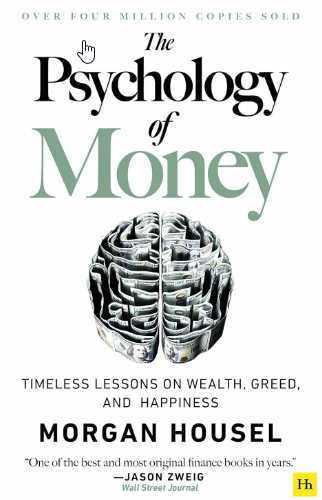
By: Morgan Housel
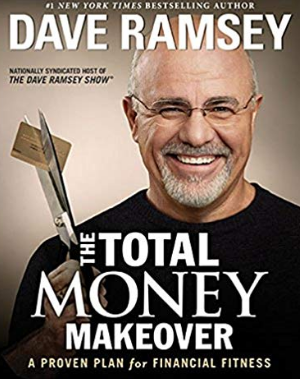
By: Dave Ramsey
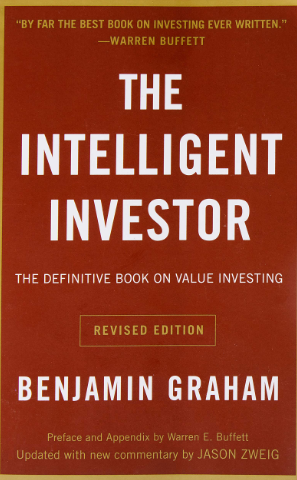
By: Benjamin Graham

By: George S. Clason
Videos for further Infos
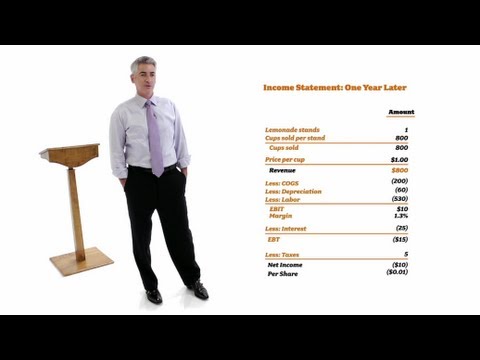 Everything You Need to Know About Finance and Investing
 Basics of Stock Market
 How to Invest for Beginners
Useful investing links
Investor.gov: Introduction to Investing
https://www.investor.gov/introduction-investingThe U.S. Securities and Exchange Commission's guide to investment goals, compound growth, risk and diversification.
FINRA: Investing Basics
https://www.finra.org/investors/investing/investing-basicsInvestor education on investment products, accounts and the risks to understand before investing.
Investment Calculator
/finances/Explore hypothetical investment growth using your own contribution, return and time assumptions.
| Title | Link | Description |
|---|---|---|
| Investor.gov: Introduction to Investing | https://www.investor.gov/introduction-investing | The U.S. Securities and Exchange Commission's guide to investment goals, compound growth, risk and diversification. |
| FINRA: Investing Basics | https://www.finra.org/investors/investing/investing-basics | Investor education on investment products, accounts and the risks to understand before investing. |
| Investment Calculator | /finances/ | Explore hypothetical investment growth using your own contribution, return and time assumptions. |